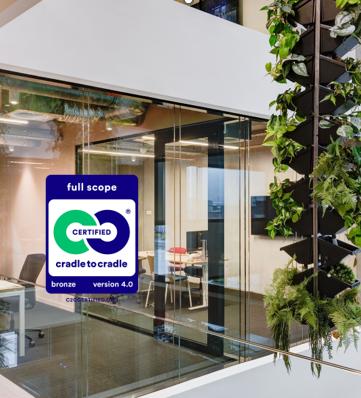
Partition walls are inherently very environmentally conscious products, but as a leading manufacturer of partition walls, Pan-All goes far beyond that. For many years, we have pursued a proactive environmental policy that goes beyond mere compliance with applicable legislation. Learn below how we integrate environmental stewardship into every aspect of our operations and organization and are steadfastly committed to true sustainability. Thanks to Cradle-to-Cradle certifications, our Flush partition walls contribute to the sustainability performance of buildings, and we help achieve credits for these certifications, including BREEAM®, LEED, WELL, and HQE.



A circular product is a broad term for products that consist largely or entirely of recycled materials.
Cradle to Cradle Certified® is the leading global standard for demonstrating circularity and sustainability.
A Cradle to Cradle (C2C) product is designed according to the principle that all materials used can be fully reused after use, without loss of value or harmful impact on people and the environment. The goal is a closed loop, where waste does not exist and raw materials serve as the basis for new products time and again.
During production, attention is paid to healthy materials, renewable energy, water management, and social responsibility. Only materials that are safe for people and nature are used, ensuring they can either biodegrade or be recycled indefinitely.
The C2C concept thus goes beyond “sustainable” or “recycling” alone: it strives for a positive ecological footprint. A product not only causes less harm, but actively contributes to improving ecosystems and reusing valuable raw materials.
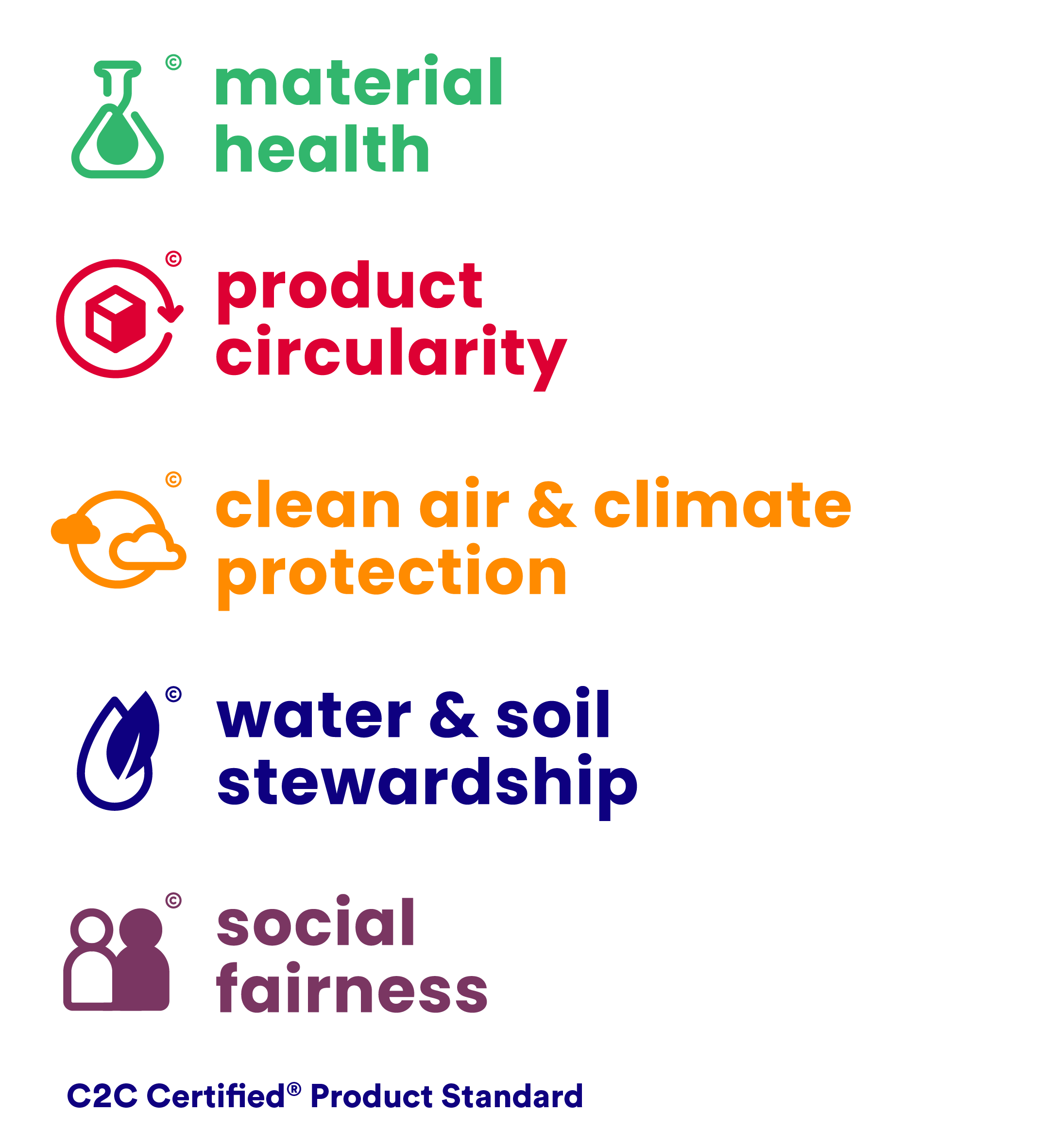
The Cradle to Cradle Certified® Product Standard (Full Scope) provides the framework for assessing the circularity and sustainability performance of materials and products across five categories:
Download our certificates here

For Pan-All, sustainability is not just an empty promise. Our environmental management system is actively monitored and evaluated by an environmental team that tracks performance, implements corrective actions, and conducts internal audits.
Through annual management reviews of our environmental policy and annual measurements of CO₂ emissions and water and energy consumption, we ensure that our environmental impact continues to decrease and our processes become increasingly sustainable.
Our Code of Conduct and Human Rights Policy is available in PDF format upon request. Request it here: info@pan-all.be
Through our Human Rights Policy, we aim to address the most significant human rights risks both on and off our production site. In this HRP, we outline the key action points for improving human rights related to the company’s own operations, the supply chain, product life cycles and product recycling, relevant communities, and other relevant stakeholders.
We endorse the United Nations Declaration on Human Rights and the International Labour Organization’s Declaration on Fundamental Principles and Rights at Work. We expect our staff to act with respect in all their professional interactions with colleagues, customers, visitors, and other business partners. In the event of a violation, appropriate disciplinary measures will be taken. Our approach is consistent with the spirit and intent of the United Nations Guiding Principles, the United Nations Universal Declaration of Human Rights, the United Nations Sustainable Development Goals, the Organization for Economic Cooperation and Development (OECD) Guidelines for Multinational Enterprises, the International Labour Organization’s (ILO) Declaration on Fundamental Principles and Rights at Work (ILO), the United Nations Guiding Principles on Business and Human Rights, and the Modern Slavery Act 2015, with respect for human rights, fundamental freedoms, democratic principles, and standards enshrined in the International Bill of Human Rights.

This document outlines the key human rights risks:
External child labor, Discrimination, Right to fair compensation, Monitoring of the work environment, External and internal environmental impact, Right to unionize and collective bargaining, Progress on action items and objectives, Transparency and accountability
Key action items:
External child labor
The risk of potential involvement in child labor lies primarily in the supply chain, particularly with foreign suppliers. We therefore strive to source as much as possible from Belgium and our neighboring countries. With our other foreign suppliers, we have implemented a strict policy against child labor and inquire about inspections at these suppliers.
Progress on action items and targets for the coming years:
Number of suppliers contacted regarding human rights and child labor in particular:
2023: 0 / 2024: in progress: target 7 suppliers / 2025: target 29 suppliers
Number of suppliers by geographic location:
Belgium: 22 / Netherlands: 3 / France: 2 / Germany: 1 / Poland: 1
Action items 2 through 6: raising awareness regarding Human Rights
All department heads will complete an online training course on Human Rights at least once a year. The managers will in turn brief their subordinates on this. This will be repeated on a regular basis.
In 2024, 6 department managers participated in Amnesty International’s Introduction to Human Rights.
Target for participation in 2025: 6

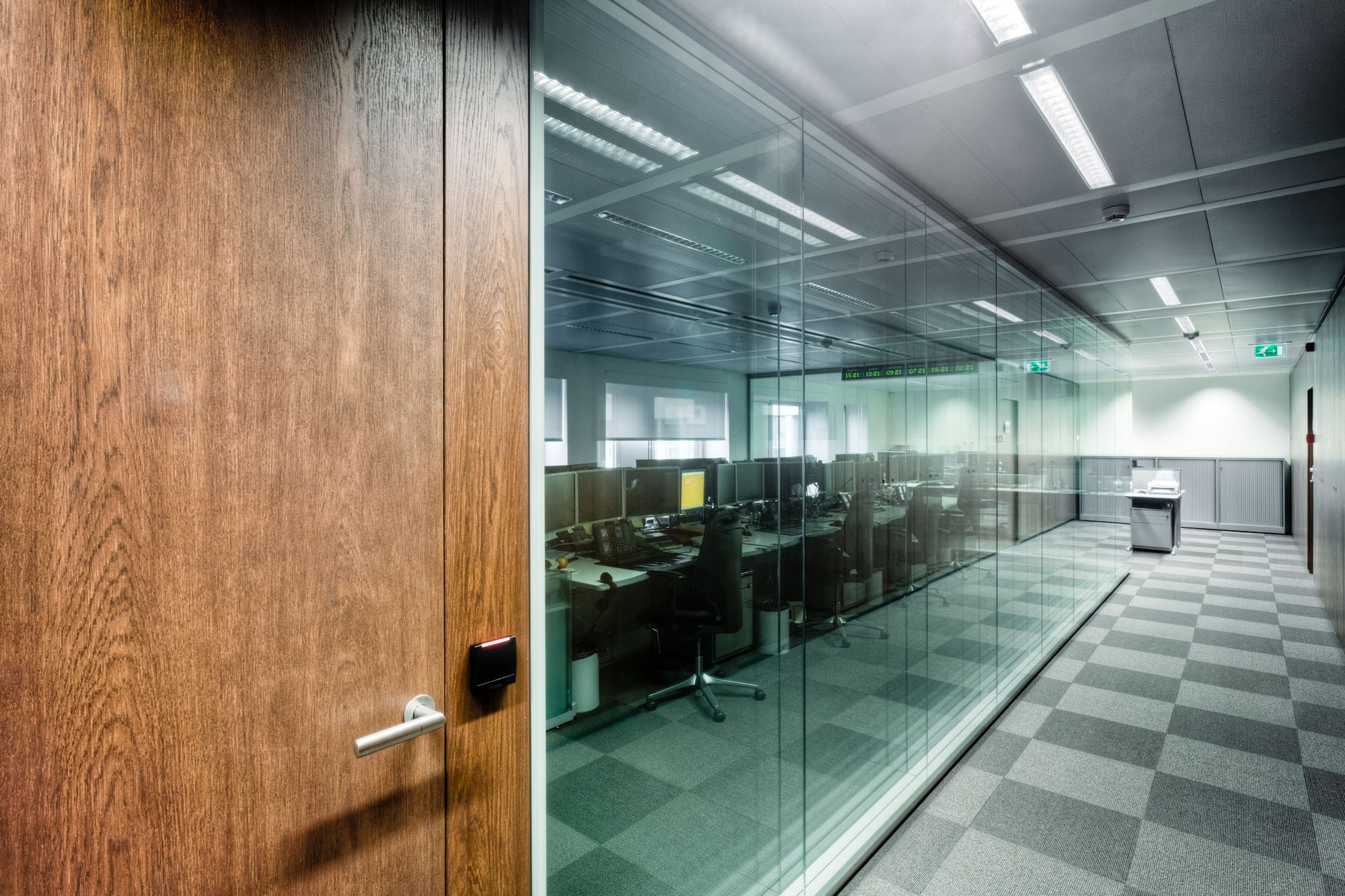
For movable partition wall systems, the integration of recycled and/or responsibly produced renewable materials is limited by various factors in the supply chain and technical considerations. The main limitations for each material stream are described below:
Current limitations: the availability of proven recycled materials in aluminum frames, glass panels containing proven recycled material from suppliers, the availability of wood-based panels with PEFC or FSC® certification (100%), and the long-term stability of mineral wool containing recycled materials or bio-based renewable fibers.
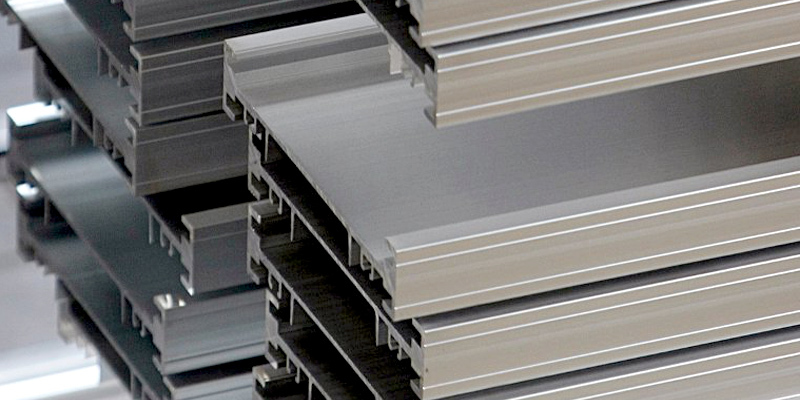
• The availability of aluminum extrusion billets with a verified post-consumer recycled (PCR) content of more than ~30% is limited in the regional supply market.
• Higher PCR content (>40–50%) can lead to inconsistencies in mechanical properties (e.g., strength and corrosion resistance), which directly impacts product durability and compliance with safety standards.
• Many suppliers currently provide aluminum with a mix of pre-consumer and post-consumer content, but cannot provide traceable, third-party verified PCR certificates above 20-30%.
Explanation of feasibility:
• The current use of ~20% pre-consumer and ~5% post-consumer recycled aluminum represents the maximum reliably available and certifiable PCR content without compromising structural performance or supply security.
• Regional glass suppliers have limited access to clean post-consumer glass waste streams.
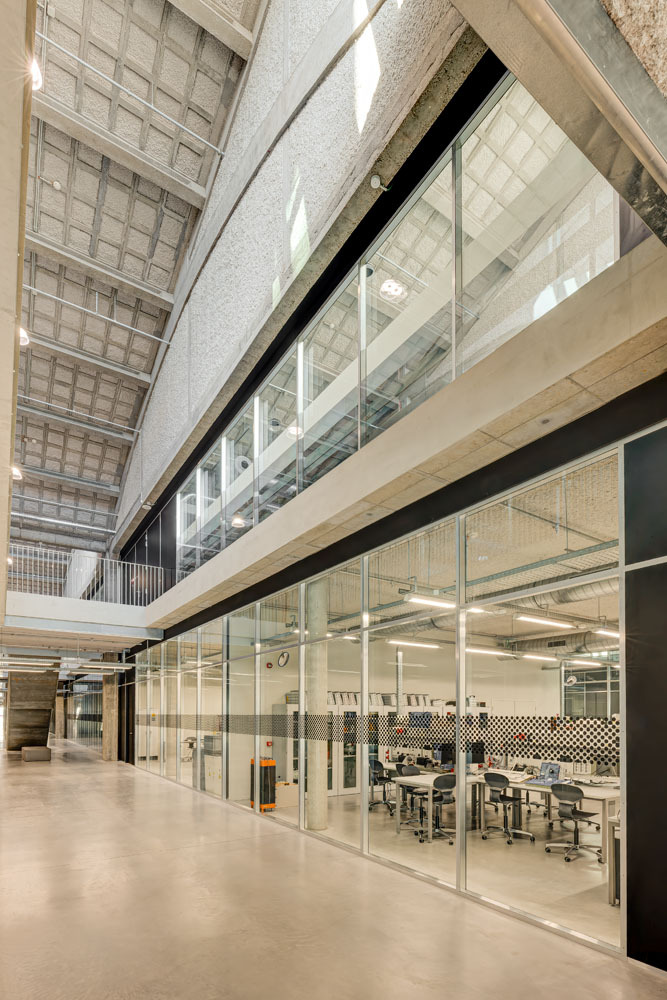
• Post-consumer glass waste often contains contaminants (ceramics, metals, coatings) that reduce clarity and mechanical integrity, which is crucial for safety-rated glass partitions.
• Proven supply chains offering ≥ 25% PCR glass waste with consistent quality and certification remain scarce.
Explanation of feasibility:
• The current addition of ~15% PCR glass waste reflects the highest achievable stable and certifiable content currently feasible without compromising glass quality or safety regulations.
• Although FSC® Mix and PEFC-certified panels are widely available, the selection of FSC® 100% or equivalent products is more limited and comes with longer lead times and higher costs. Furthermore, not all manufacturers offer these products.
• Rapid scaling up to 100% certified renewable fibers is limited by supplier availability and the need to maintain a stable production line.
Explanation of feasibility:
• The current procurement of panels containing ~70% pre-consumer recycled fibers and FSC® Mix certification represents the highest achievable level given current market conditions.

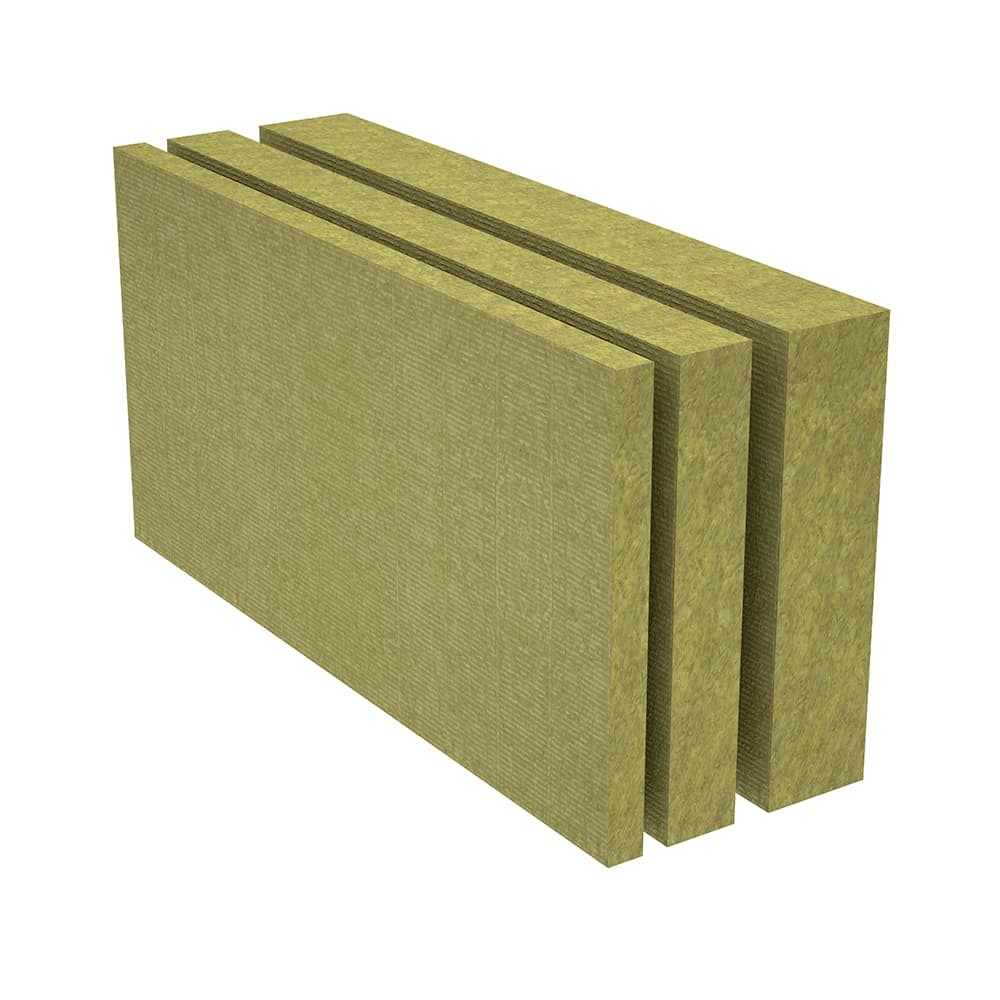
• Mineral wool insulation already contains ~25% recycled material, but further increases are limited by the stability of the raw material blends. A higher recycled content often leads to a potential decrease in fire resistance and acoustic performance over the long term. Long-term stability has yet to be tested.
• Biobased alternatives (e.g., cellulose, hemp, flax) show promise but face scalability challenges, including inconsistent quality, limited compliance with fire classifications, and limited regional supplier networks.
(Pope John Paul II)
Given these limitations, the current levels of certified post-consumer recycled and responsibly sourced renewable materials incorporated into our movable partition systems represent the maximum achievable amount at this time, balancing supply availability, material performance, and product safety requirements.
There are ongoing R&D initiatives and continuous engagement with suppliers to increase these levels as market conditions and technical feasibility permit.

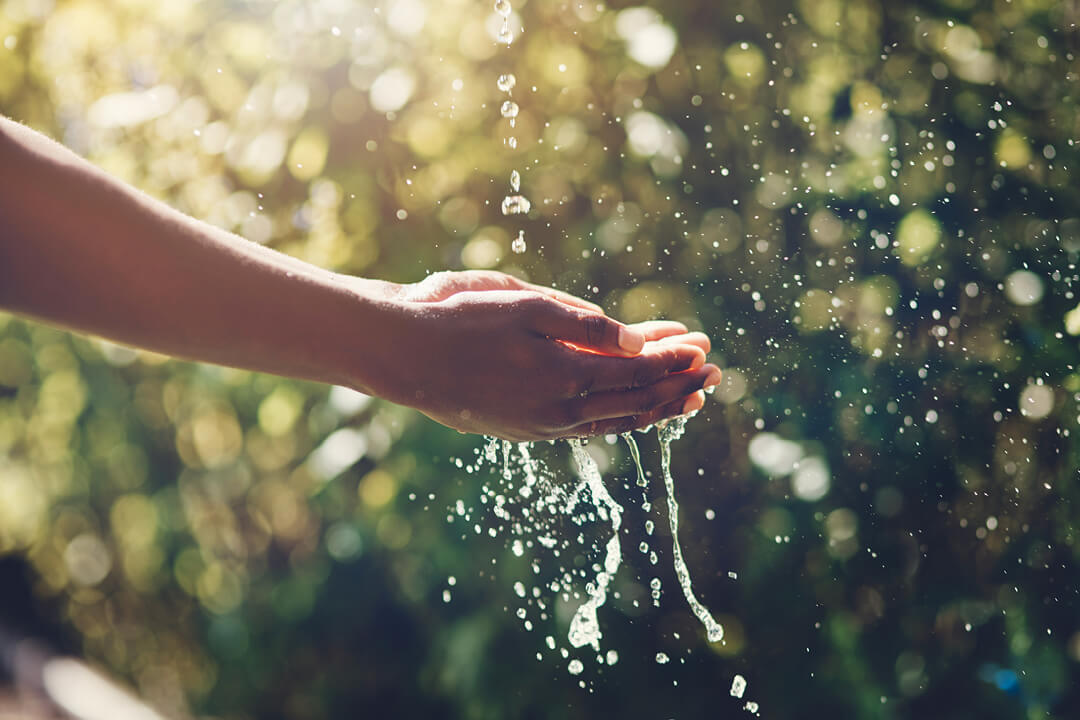
Despite our very low water consumption, we keep a close eye on our usage.
Consumption in 2021 was 185 m³, in 2022 174 m³, in 2023 146 m³, and 131 m³ in 2024.
Source of water withdrawal: Water utility: De Watergroep
Water stress in the area surrounding our facility is extremely high (>80%)
Wastewater discharge by treatment level: when wastewater is discharged into the municipal sewer system, 100% is untreated.
Wastewater is discharged to the Geraardsbergen wastewater treatment plant.

PAN-ALL and its management are responsible for implementing this policy. Our HR manager is responsible for the day-to-day monitoring and implementation of this policy. Compliance with this policy will be regularly reviewed by management. Management is responsible for regularly reviewing the Human Rights Risk Analysis in collaboration with the HR manager. We ensure that this code is communicated to every employee and that the necessary training is provided. Any violations of this policy will be subject to disciplinary measures. Reporting a violation of the code in good faith ensures the continuity of PAN-ALL. Every employee should therefore not feel intimidated to report violations to his or her supervisor. If appropriate measures have still not been taken after a violation of this code has been reported to the supervisor, the employee is requested to bring the matter to the attention of the internal oversight body.
Periodic review: our HR Policy is periodically reviewed and updated by PAN-ALL management.